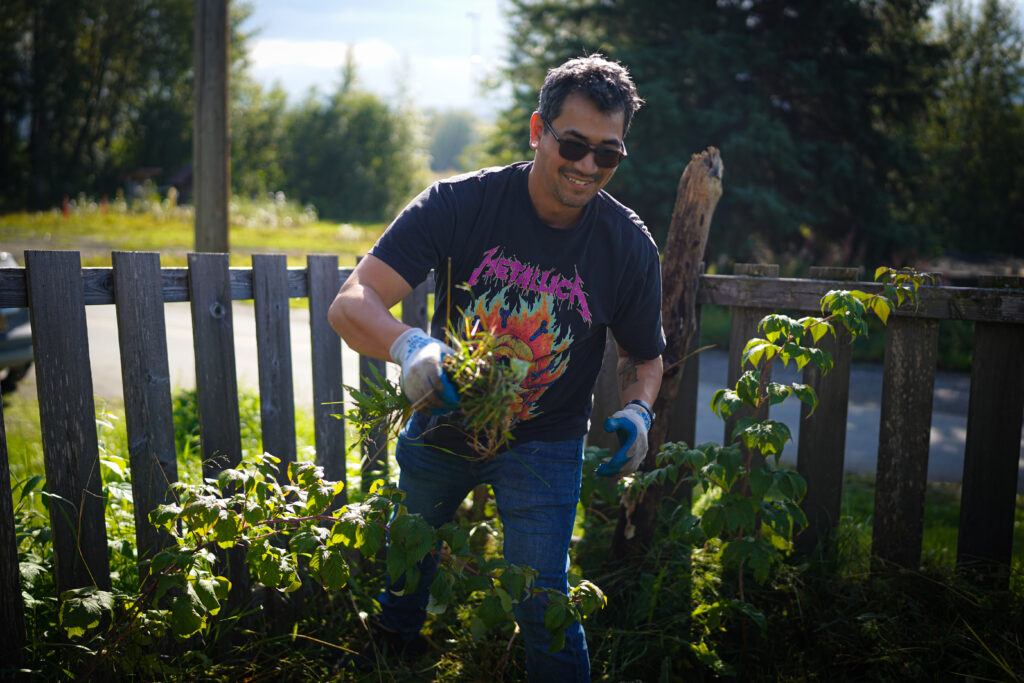
Earlier this year, Spruce Root welcomed Cody Angerman onto our team as the Sustainable Southeast Partnership Director. Cody is Tlingit, Raven, L’uknaxh.adi (Coho) Clan. Born and raised in Wrangell, he brings a diverse background in operations, leadership, and community engagement to the network. In addition to his professional work, Cody has been the head coach of the Wrangell High School basketball program since 2017, mentoring youth on and off the court.
After a few months in the role, we caught up with Cody to ask him about his relationship to our region, his approach to leadership, and how high school basketball and a collective impact network share more similarities than you may initially think. Read on to hear our conversation.
Interview by Erin O’Farrell, edited for clarity
Photos: Cody Angerman and Shaelene Grace Moler
What motivated you to step into this leadership role as the Sustainable Southeast Partnership Director?
I wanted to do something career-wise that was meaningful and connected to my culture and who I am as a person. Over the years, I have also been able to see all of the really good work that Spruce Root has done, and I wanted to get involved.
I’ve always been rooted in the fact that I’m a father and a husband first. With this position, my family gets to see me in a role that I feel great about and am proud of. In a lot of ways, this position has helped me be a better role model for my children.
I have a great support system in my family. My wife, Anna, was a really big part of me putting myself out there to apply for the role. My brothers, Aaron and Brad, work in similar sectors to the SSP, and they were a big part of what inspired me to step into this position. When my dad passed away about a year and a half ago, my younger brother shared that when he was making a career shift, my dad told him: “Brad, the thing is that no matter what you go out to do, they’re going to be lucky to have you.” That advice from my dad has stuck with me through the hiring process and so far in my time as Director.
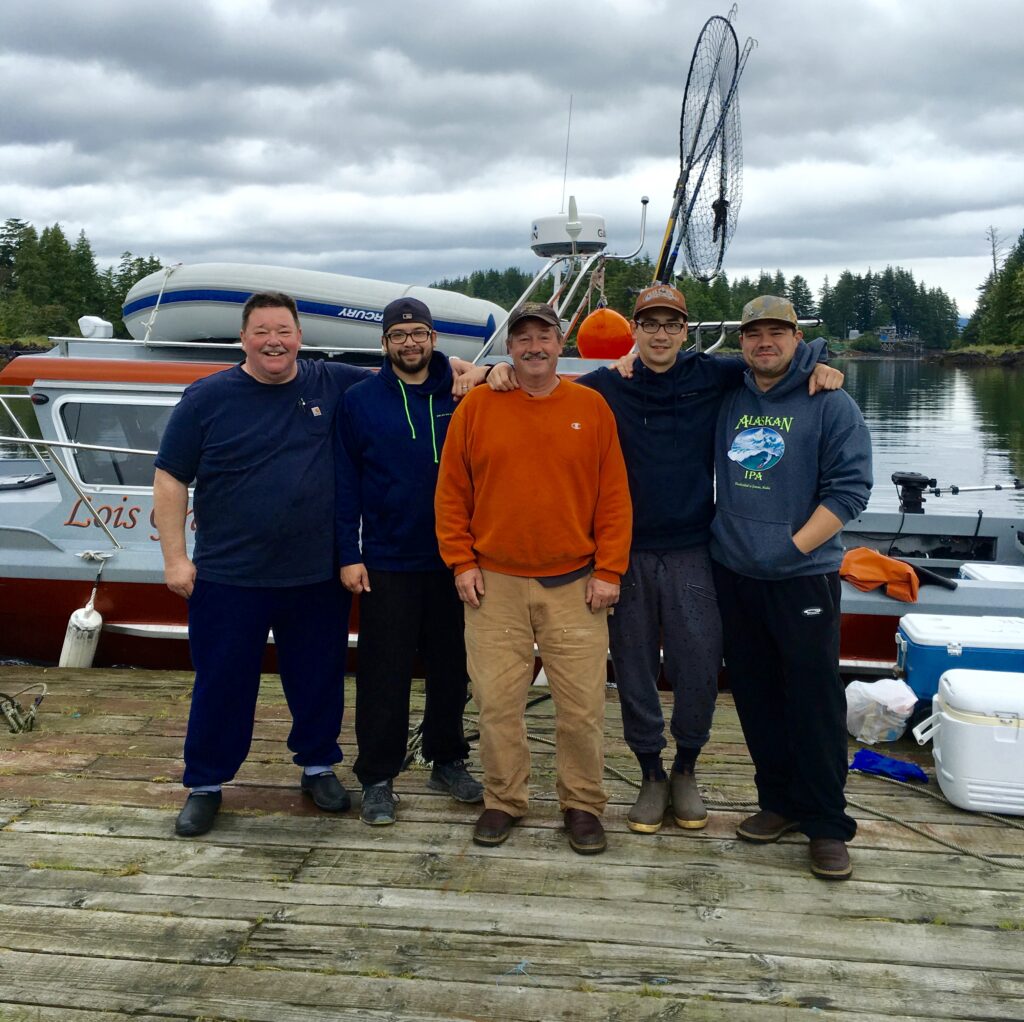
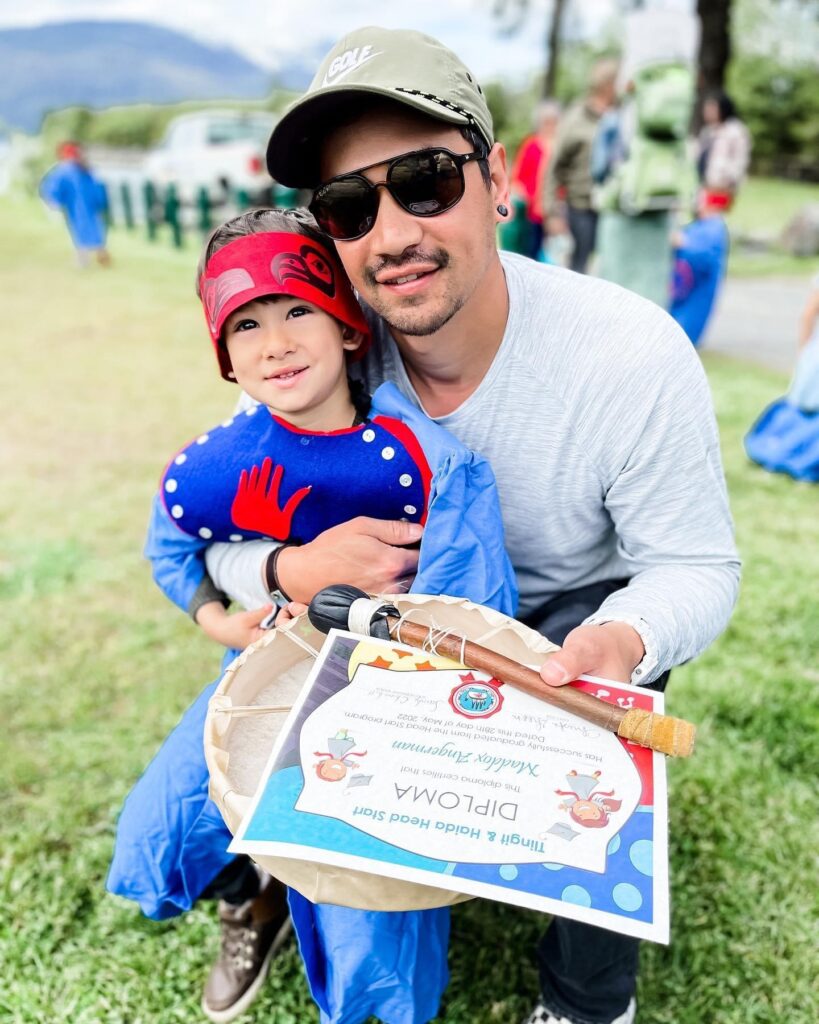

Can you talk a little bit about your relationship to Wrangell, and the region in general?
I was born and raised in Wrangell. When I was 18, I went off to college and lived elsewhere for a while before making my way back to Alaska. Growing up, I played sports and loved getting to travel around and meet people. I got to do that while living away, and now I am coming home to who I am. Connecting to my Tlingit culture is important to me.
My whole family basically was born and raised in Wrangell or elsewhere in Southeast. My Tlingit grandmother is from Yakutat. I have roots there and in Kake. In my role as SSP Director, I’ve already made more connections to my family. I went to Kake earlier this summer to participate in the Alaska Youth Stewards all-crew training. While there, I caught up with Shaelene Moler’s (SSP Communications Catalyst) mom, and we figured out Shaelene and I might be cousins! That’s just how Southeast works. It’s cool making those connections and seeing how we’re all intertwined and related.
You’ve been the head basketball coach at Wrangell High School for almost 10 years. How has this aspect of your life shaped your relationship with the region and your approach to leadership within the SSP?
Anyone in Southeast knows that basketball brings everybody together and connects us; it’s the “seven degrees of separation” theory.
A big reason that I coach basketball is because of this networking aspect. Having the chance to renew old relationships and meet a lot of new people, not just in Southeast, but across Alaska, is a huge part of both roles (SSP Director and basketball coach). The connections I’ve made through coaching happen to be a lot of the same people and partners that are in the SSP network.
The missions of a basketball team and the SSP network really aren’t that much different from one another; they both require presence and an attention to place. When you are playing basketball, you need to be present in the place you are competing and focus on making an impact in that moment. I think that’s what the SSP strives for too: to be present where you are and make an impact in that specific place.
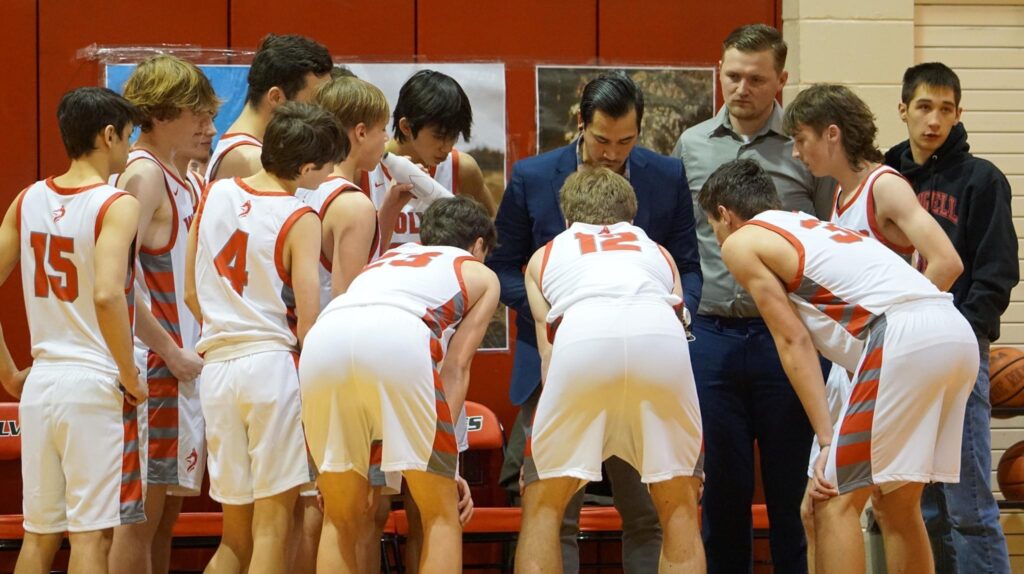
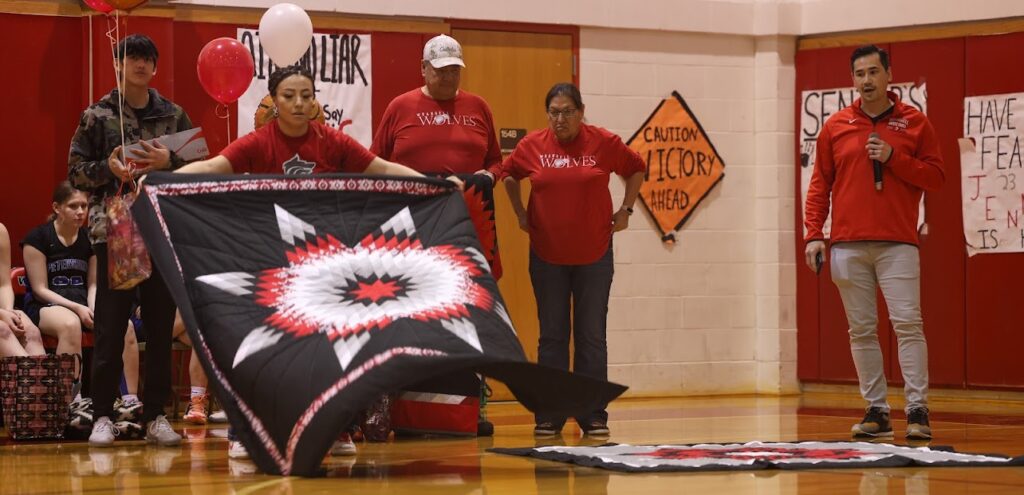
What qualities do you hope to center in your leadership role? What does it take to be a leader who works across many places, contexts, needs, and differences towards a unified vision for our region?
Another reason I love coaching is seeing youth step up and become leaders. I tell the players: “I’m here to guide you, coach you, and empower you. You do the rest.” I think this mentality aligns with the work that we do at the SSP. Empowering people to get the most out of your team is probably the biggest correlation that I see between coaching and this role.
In my role as SSP Director, I don’t see myself as an expert. Our partners and catalysts are the experts in their own communities. There’s something to be said for not knowing everything.
Having the ability to understand that I don’t know everything, and knowing there are always people who are going to see things differently, is important to me. I aim to be open to ideas that are different from my own.
In Wrangell basketball, Petersburg is our rival. During my first few years of coaching, I thought of them as the enemy. Their coach, Rick Brock, is actually from Wrangell. We’ve always had a tie because of that. There came a point where I came to the realization that this shared connection to place unites us more than I initially thought. We got close and became good friends. I was able to bounce ideas off of him. I realized that it’s about finding connection and supporting each other toward common goals more than the rivalry. I strive to bring this mentality to my role as SSP Director.
You’ve been in this role for around four months now – can you share any highlights so far?
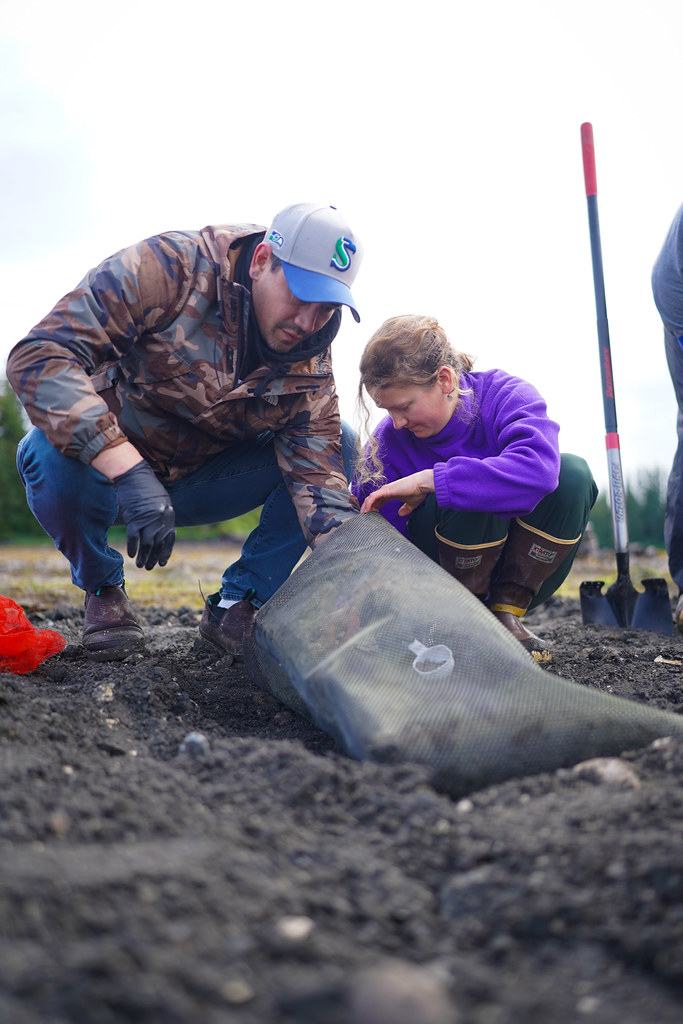
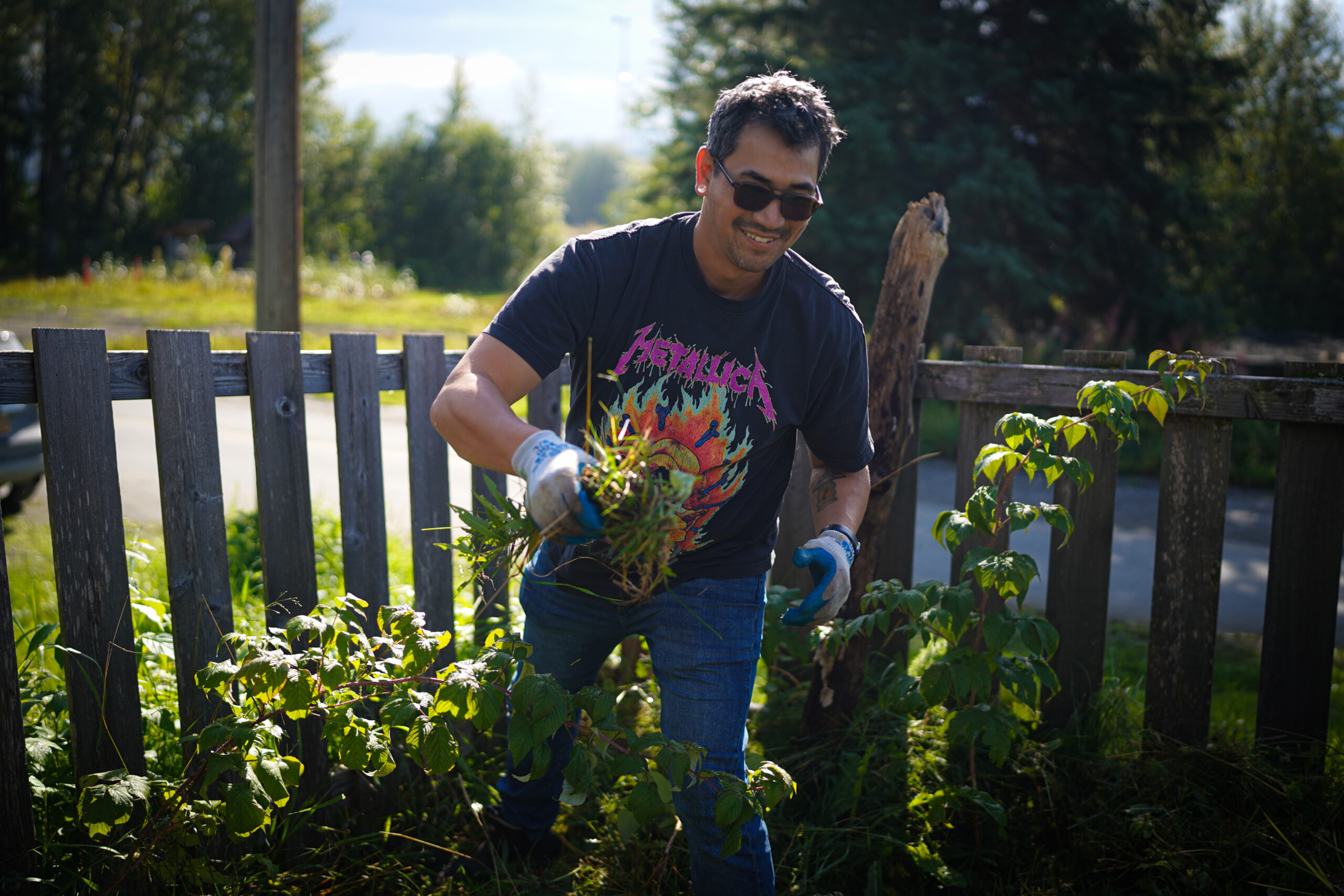
Spending time with the AYS crew in Kake this summer was fantastic. We worked on the clam garden together, spent some time in the field learning how to identify and eliminate non-native species, and got to see Tim Demmert and his crew process sea otter hides. I got some face time with my coworkers and met some of our leaders, catalysts, and different community members involved with the SSP network.
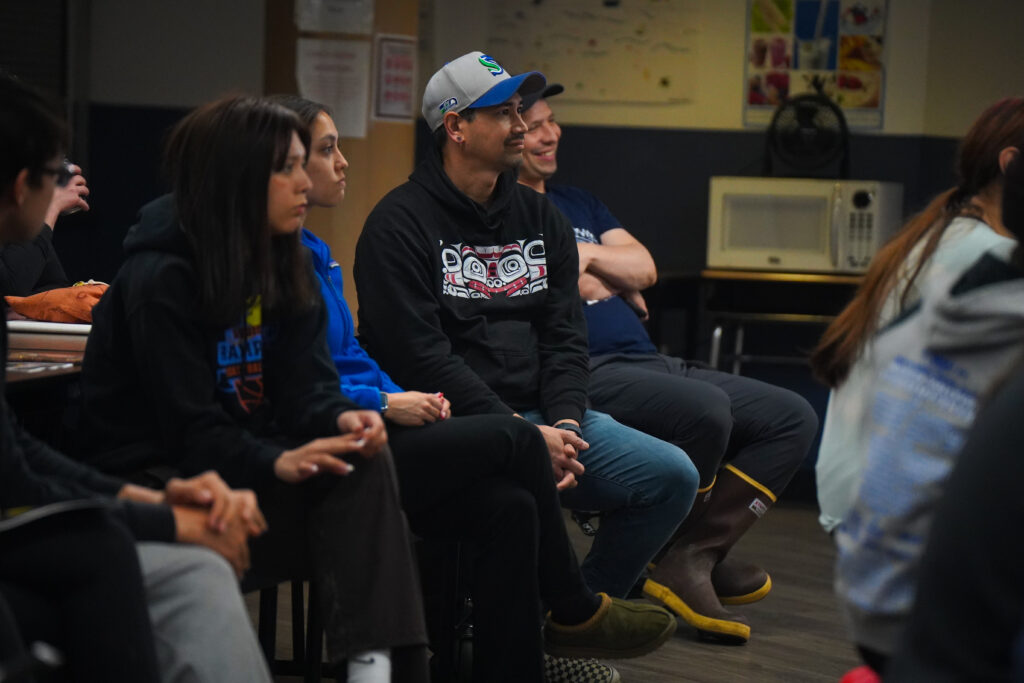
I recently got back from the Spruce Root Board retreat in Hoonah. We spent some time in the community and attended a town meeting where we talked with Tribal leaders, the mayor, and community members about their work and community needs.
We also went on a bear tour with John and Marilyn Hillman, who are recipients of Spruce Root services. Seeing people that look like me be successful and feel the value of what Spruce Root and the SSP bring to people’s lives hit a soft spot for me. Seeing the love the Hillmans have for Hoonah and Southeast Alaska in general was inspiring.
I’m about to head out on the SSP Fall Catalyst Retreat in Haines. The ultimate goal of the retreat is to finalize catalyst work plans for the year. But, to me, the biggest part of the retreat is coming together and having seasoned catalysts be able to show the ropes to new catalysts, and to me! I have a heck of a lot to learn, and I’m excited to continue diving into the work.