
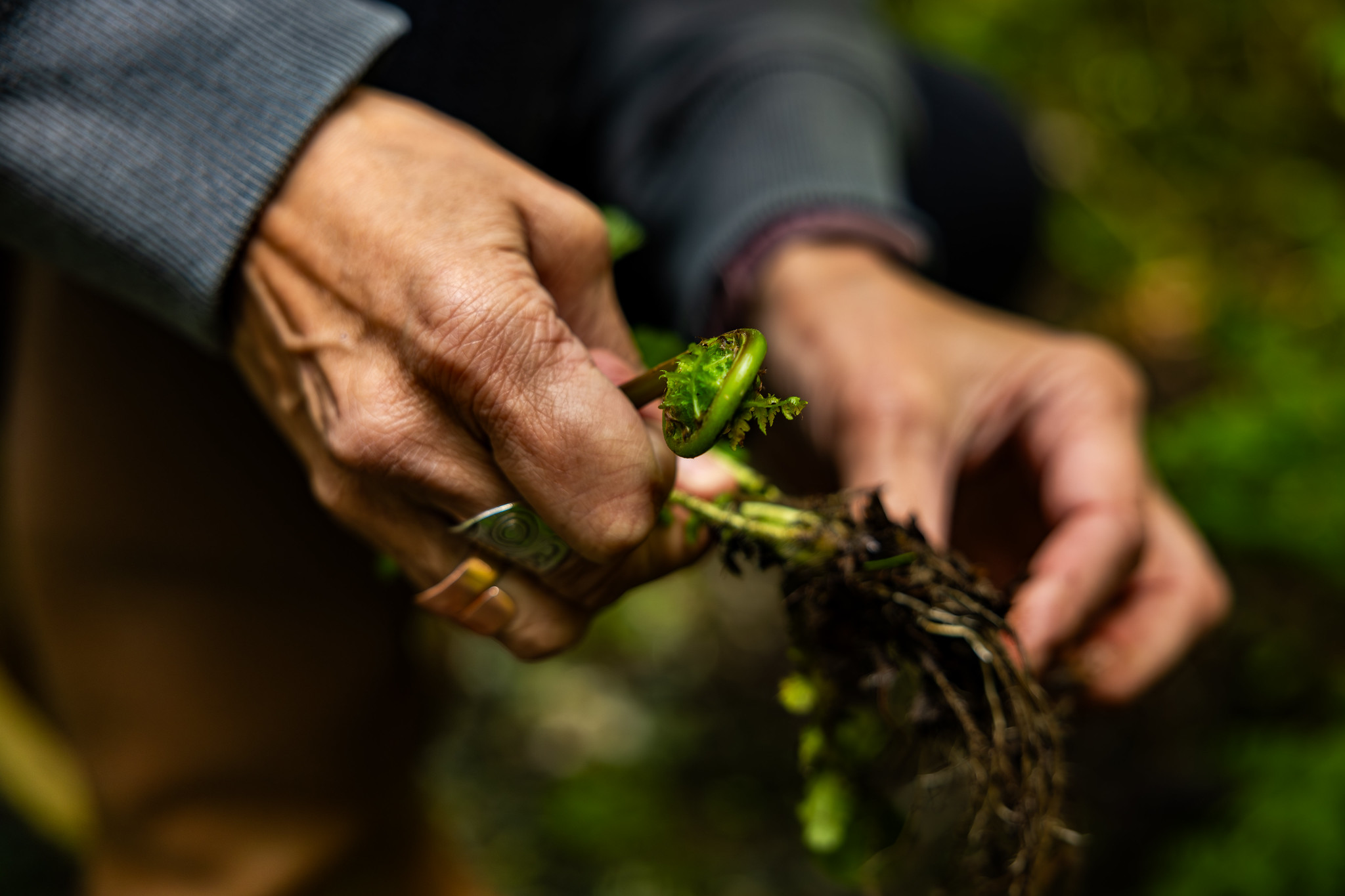
Our Resilience Circles program brings together a cohort of Alaska Native entrepreneurs for a year of training and development that supports Indigenous businesses. The program centers the healing, cultural connection, and leadership of individual entrepreneurs; preparing them to run successful businesses rooted in Indigenous values.
The Resilience Circles curriculum is offered by practitioners – mentors and teachers – who share their experience and expertise with the cohort over the course of the year. Some of the practitioners share business and financial tools, others offer cultural and wellness components to the program.
At our most recent Resilience Circles (RC) retreat, three practitioners shared their insight into how wellness and business skills come together to create a meaningful experience for RC participants and practitioners alike.
Yaagál Sharnel Vale-Jones
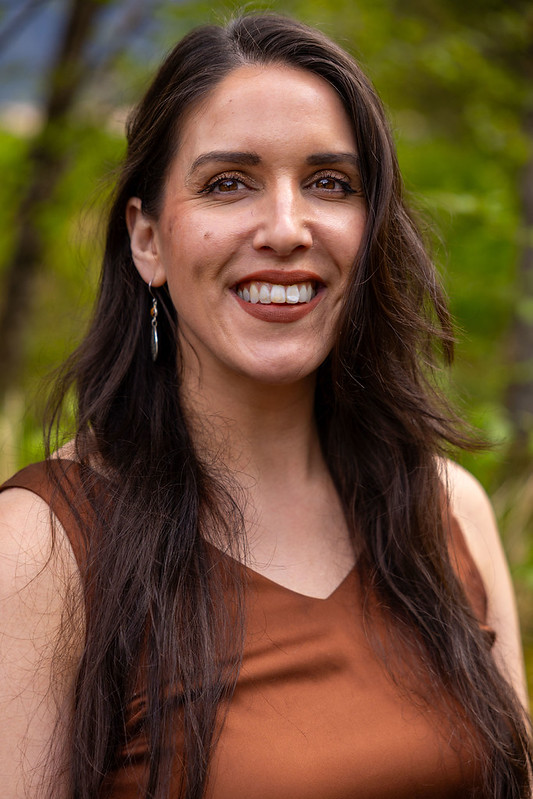
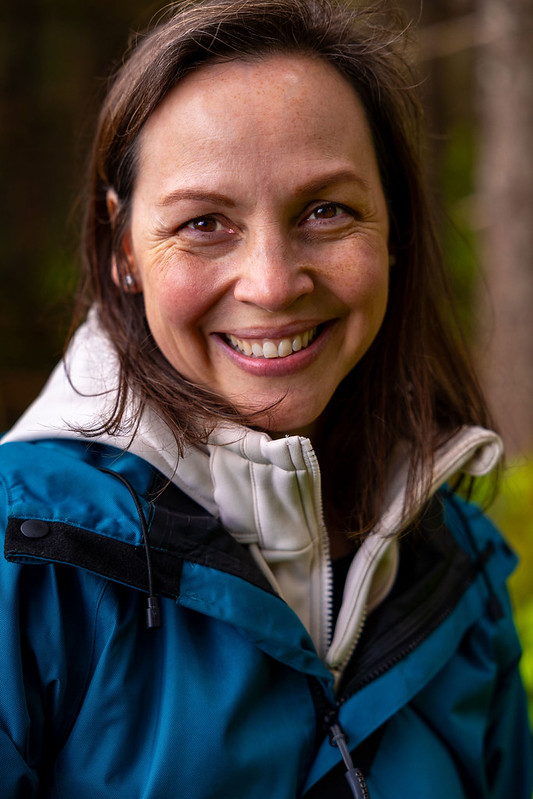
Yaagál Sharnel Vale-Jones, is one of nineteen Resilience Circles Practitioners supporting the current RC cohort. Sharnel is Tlingít, Kwaashk’IKwáan (Raven, Humpy Salmon), Dis hítdaxáyáxat (Moon House), from Yakutat. She recently earned her PhD in the Clinical-Community Psychology program at the University of Alaska Anchorage and brings a culturally grounded mental health perspective to the program.
According to Sharnel, Resilience Circles supports growth in the four aspects of the Tlingit individual:
“You have your Kaa Toowú, your mind, your cognition, your perception of experiences. You have your Kaa Ÿakgwahéiyagoo your heart and soul. Your Kaa Ÿahaaÿée, your essence. And your Kaa Kinaayégee your the spirit above you.
And Resilience Circles develops each of those areas. We start by spiritual engagement, cultural engagement, and S’eeḵ yís ḵu.éex (Gathering for the Smoke) and then we work to develop discernment and critical thinking and executive functioning in your business learnings.”
For Sharnel, understanding identity and culture helps entrepreneurs gain confidence in how they lead their businesses and make decisions.
“So much of our Indigenous culture is about relationality and relatedness and our own positionality in the world. The more that a Resilience Circles participant can understand about themselves, the more clarity they have in making business decisions and choosing the partnerships they want to be a part of.”
Kaa,laa Mary Goddard
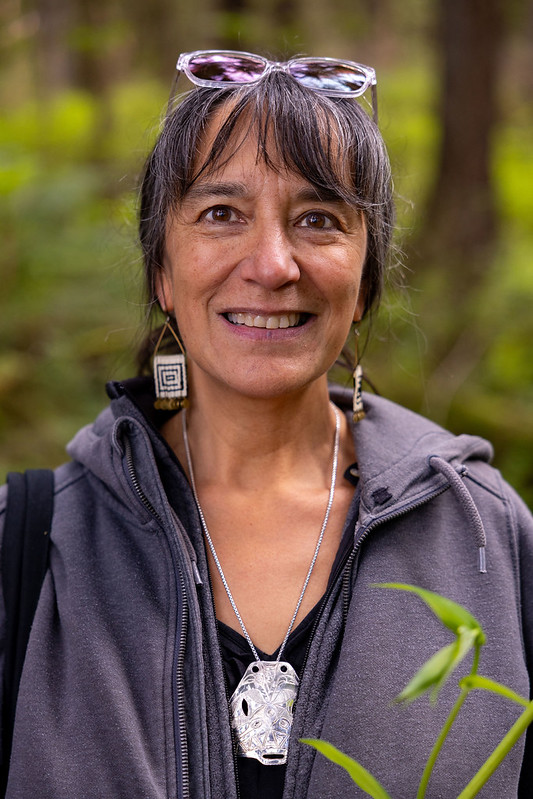
That connection between personal well-being and business success is something that practitioner Kaa,laa Mary Goddard knows firsthand.
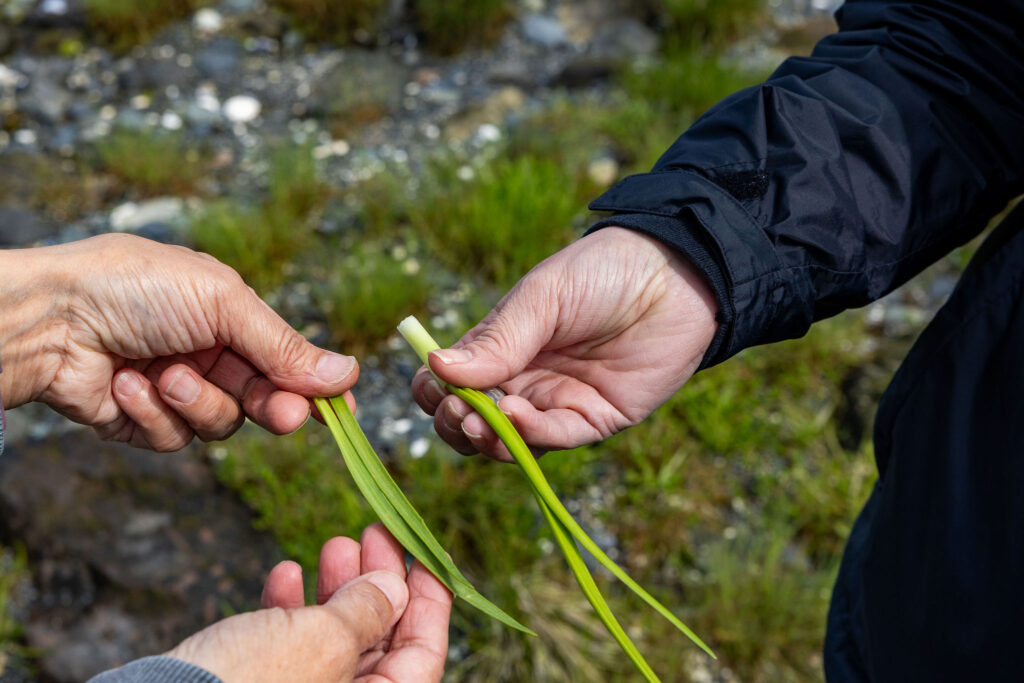
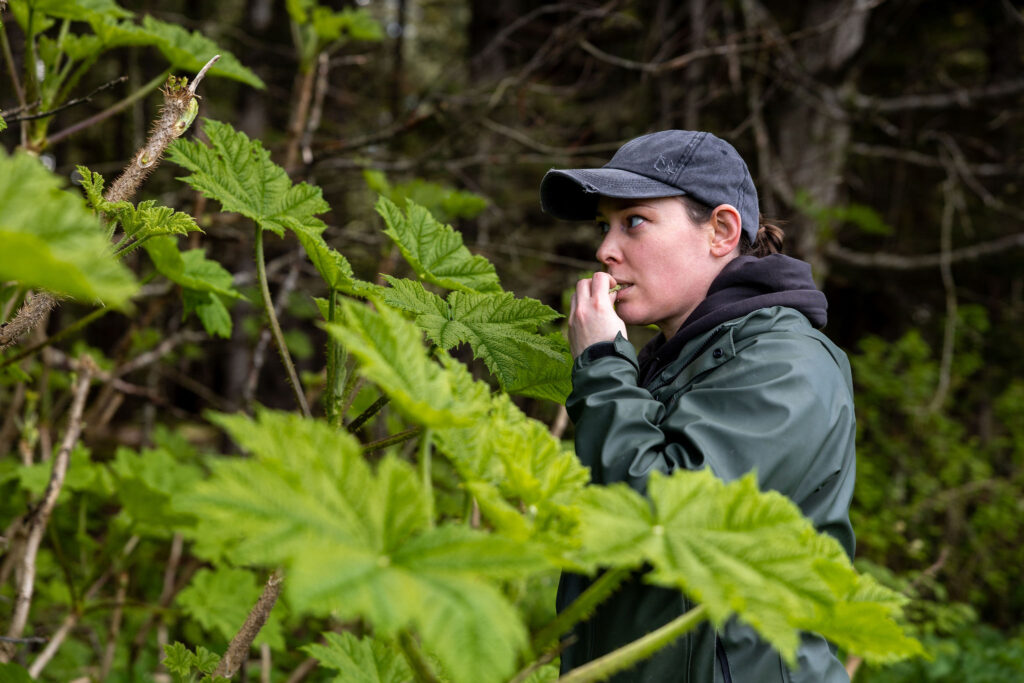
Mary, owner of the art and jewelry business Alaska Mary, was a participant in the inaugural Resilience Circles cohort and returned in 2026 as a practitioner. She now shares her knowledge of harvesting, processing, and cooking with Alaska Native foods with current participants.
Looking back on her experience as a participant in the first RC cohort, Mary says she had expected the financial and management components of the program to have the greatest impact on her business. Instead, she found that the most important lessons centered on physical and mental well-being.
Today, she hopes to share a simple but powerful message with current participants:
“As a small business owner, you do not have to do this alone.”
Mary notes that one of the greatest challenges of entrepreneurship is that “you wear so many hats.” Because of those demands, making time for healing, wellness, and cultural identity work can feel difficult.
“Not only is it a time commitment, but if anyone is like me, they feel guilty because they’re spending time on something that seems selfish. But it’s really not. It’s something that is strengthening you and strengthening your business.
“As a small business owner, you do not have to do this alone.”
Kaasei Naomi Michalsen
The relationships formed through Resilience Circles are another source of strength for participants and practitioners alike.
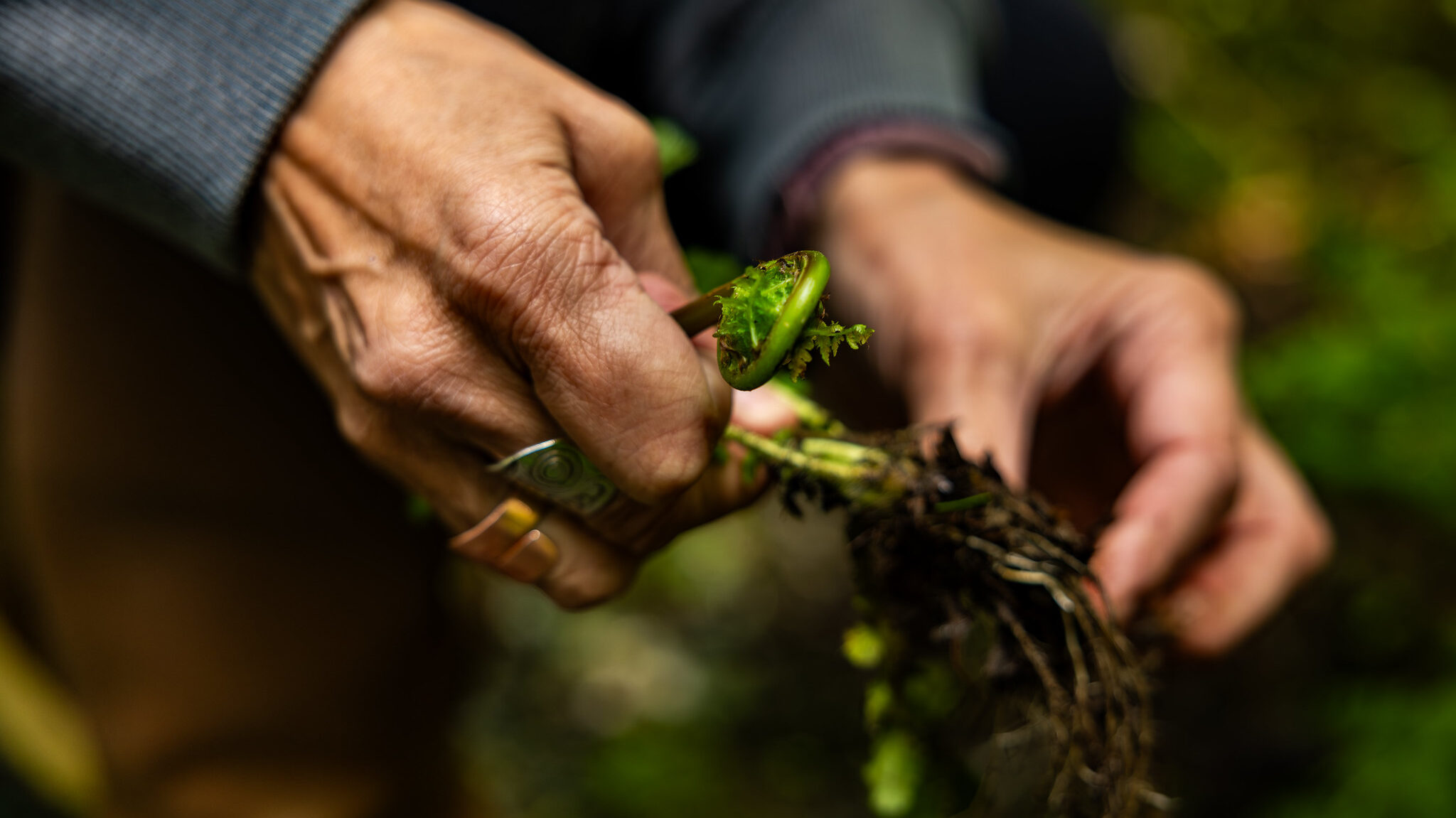
Resilience Circles Practitioner Kaasei Naomi Michalsen is Tlingít, Wooshkeetaan Eagle. A cultural and community leader living in Ketchikan, Naomi brings her knowledge of respectful harvesting and social-emotional plant teachings to cohort retreats.
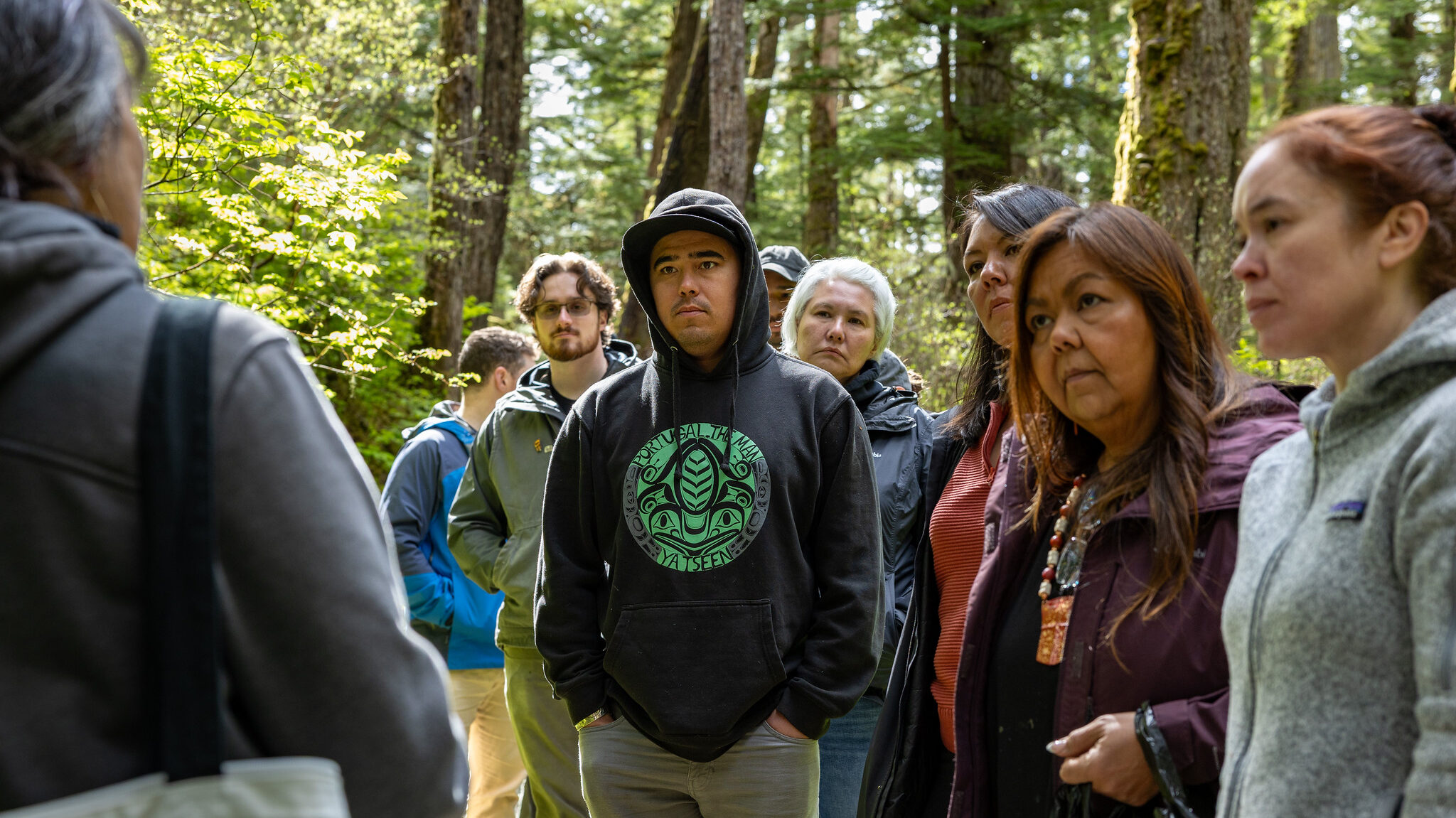
At the recent gathering, Naomi guided participants in harvesting over a dozen plants including goose tongue, fiddleheads, yarrow, usnea, and spruce tips. After harvesting, participants returned to their Airbnb to prepare a dinner with local ingredients including Dungeness crab cakes, dandelion biscuits, herring egg salad with forest greens, stinging nettle and black seaweed encrusted cod, and chocolate covered spruce tips for dessert.
Getting outdoors and connecting with traditional foods and medicines is a gift that Naomi loves to share with RC participants. But her work as a RC practitioner has brought Naomi many gifts in return.
“I feel like every time I come to an RC retreat, I leave with something that was gifted.”
One of the most meaningful gifts came at a recent retreat when a participant shared a song with her.
“I didn’t grow up learning songs and language, so at my age I’m still trying to learn some of that. At our last RC retreat, the most precious gift of a song was given to me by one of the participants. To receive a song is like filling this emptiness, like starting to fill up that hole in your heart. And it’s like you wait your whole life for just one song, and then it happens just like that.”
For Naomi, the relationships built through the program continue long after each retreat ends.
“It’s like this community that just keeps growing—amazing people, and friends, and so talented. Southeast is so small, and so staying connected to people is like growing our family.”
At Spruce Root, we believe that business owners are important leaders in the small communities of Southeast Alaska, and that supporting their success will have a positive ripple effect in their communities.
As Naomi puts it:
“Who would’ve ever thought. Business and wellness. But it makes so much sense.”
“Who would’ve ever thought. Business and wellness. But it makes so much sense.”
Learn more about Naomi’s consulting services at kaasei.com
Contact Sharnel for more information about her work by emailing svalejones@indigenouswellnessi.org
Explore Mary’s artwork at alaskamary.com/