
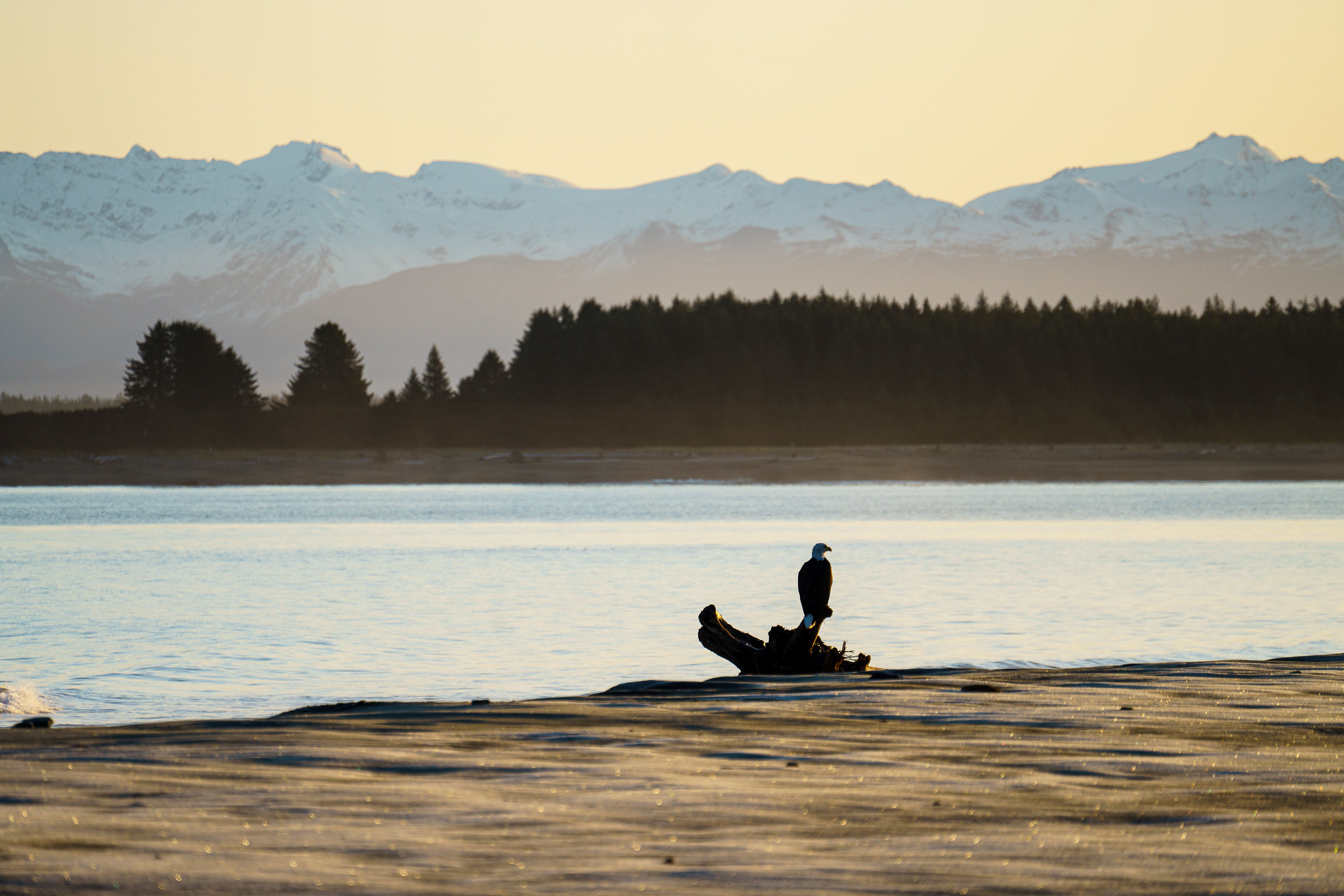
Since the Sustainable Southeast Partnership started the Seacoast Trust in 2021, the fund has grown to $30 million. As we continue to make strong progress toward our $100 million goal, we’re taking time to reflect on the origin story of the Seacoast Trust.
Spruce Root Communications Manager, Elsa Sebastian, invited Anthony Mallott, Alana Peterson, and Kaylah Duncan to answer some questions about the Seacoast Trust to ground us in the moment, and imagine where we’re headed.
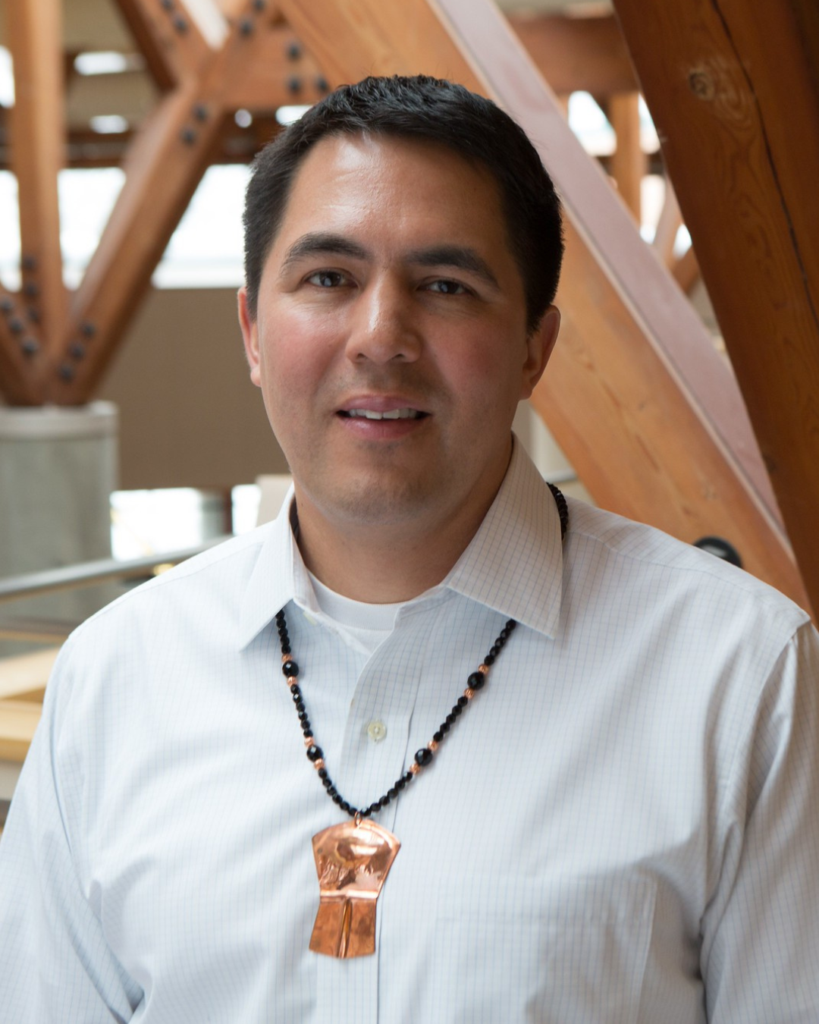
ANTHONY MALLOTT
Gunnuk, Anthony, serves on the Spruce Root Board of Directors, the SSP Steering Committee, and the Seacoast Trust Investment Committee. Anthony has served Sealaska as President and CEO, and first started working with Sealaska as Chief Investment Officer and Treasurer.
What do you love most about Southeast Alaska—and can you share a recent experience, maybe from your home in Yakutat, that felt especially meaningful?
You need a whole entire week to be able to sink into the Yakutat lifestyle and rhythms. My dad’s memorial week was the first time I had spent over a week back home since college, and every day was perfect.
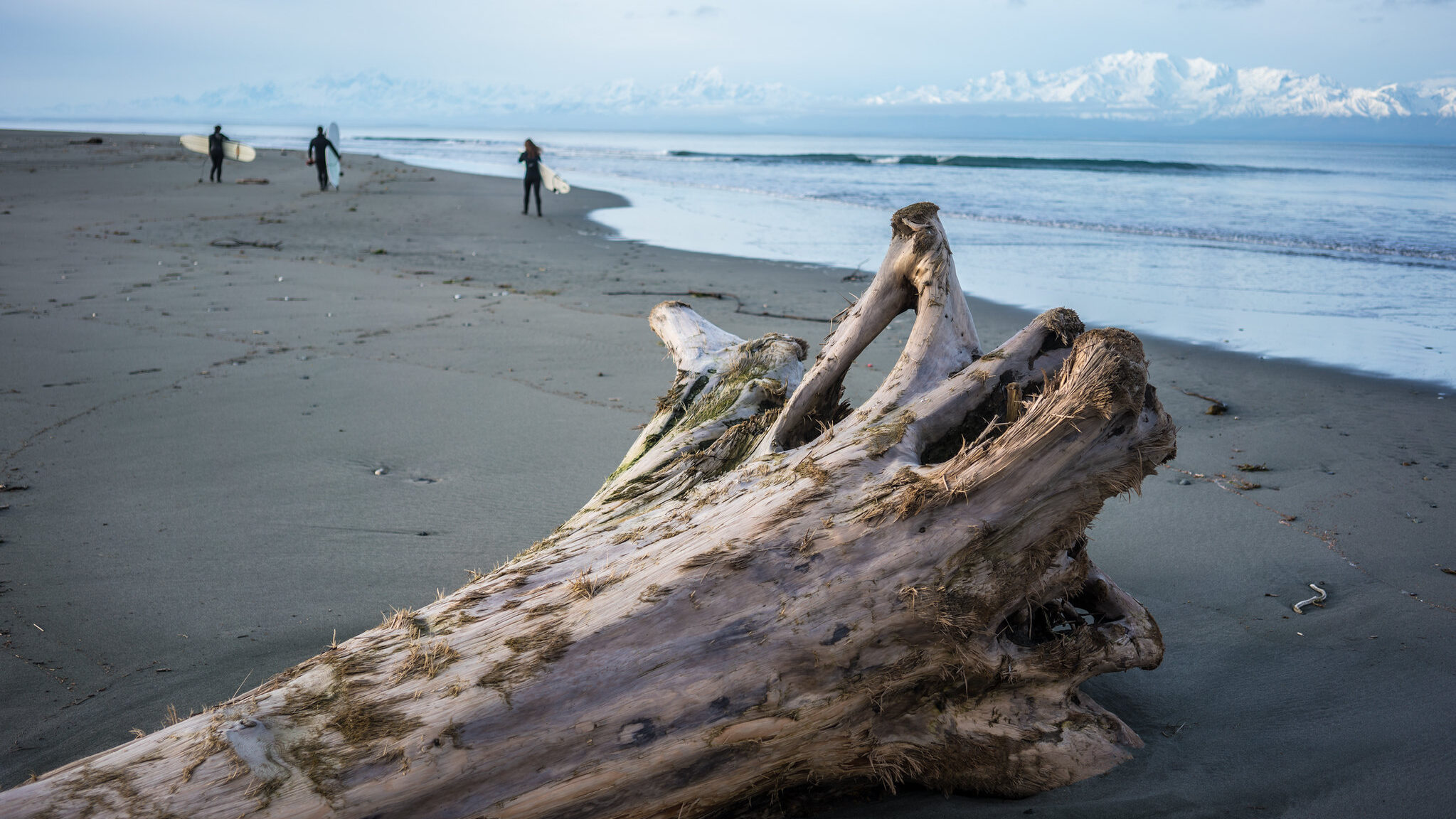
The weather was amazing, and every day was just choose your adventure. Go out to the river and just enjoy the beauty. Walk the beaches. Go fish coho and limit out. And the waves started getting good, so take the kids surfing. It just kept on getting better and better, and then you add kind of the culminating cultural components of connection and relationship that that a memorial offers.
Yakutat is still really strong culturally; it has some culture bearers who have really worked on passing our knowledge, expectations around relationships, recognition and reciprocity to a younger generation who are carrying it forward. I’m really proud to be from Yakutat, it’s just that perfect kind of Southeast Alaska community, in my mind.
The Sustainable Southeast Partnership was founded in 2012 with a $10 million, 10-year investment to build a collective impact network. As those funds began to run out, SSP began exploring alternative funding sources—where did the idea for the Seacoast Trust come from?
It’s possible that the SSP collaboration could have just kept on going, even after the funding disappeared, but enough of us believed that foundational funding was part of the magic of the SSP.
I’m a strong believer that sustainable funding allows an organization to be very strategic and accumulate the impact of their work at a much greater pace than organizations that are struggling for their funding year after year. If you’re just trying to piecemeal resources together, collaboration falls by the wayside.
The SSP was fortunate enough to have a big set of partners that believed in the importance of foundational funding: Ecotrust, The Nature Conservancy (TNC), Sealaska, and Tlingit and Haida.
Those organizations went on a trip to visit the Coast Funds in British Columbia, and they saw what those trust funds had offered the BC First Nations. The Indigenous Guardian network in BC was just so inspirational and motivational – what if we could do something similar in Southeast Alaska?
TNC was a founding partner of the Coast Fund structure in BC. And so having them be the one rooting for us, and hitting the ground fundraising with us, it really gave Seacoast Trust the start that it needed.
Where did the first funding for the Seacoast Trust come from?
At that time, Sealaska had just received a lot of income from carbon credit programs, and that carbon credit program came from the voice of our communities, that said “We prefer our forests intact, we prioritize subsistence and culture over timber harvesting. We aren’t 100% against harvesting, but we’d rather Sealaska not continue industrial scale logging.”
That allowed Sealaska to say, “Okay, we should be investing those proceeds back into those same communities, it just makes sense to invest those funds from the forests back into the communities”. So the first 10 million dollars of matching funds was offered by Sealaska, and that really lit a fire under the TNC to go find that match, and we hit our [initial] $20 million goal faster than anybody could expect.

Can you explain the concept of generational abundance?
I mean, the starting point is what we have right now. And I love our communities, because an outsider looking in might not see abundance in our communities, but the community members living there are like, I am living on the lands of my ancestors. I’m living my culture. I’m living my values. I have a boat. I have abundance in my ability to go fishing and hunting and fill my freezers. That is, that is generational abundance that has to keep going.
When you add other people’s perceptions of abundance to it, then you start seeing, okay, well, yeah, we could use more jobs. We want the right jobs, though. We want jobs that are meaningful to our community, sustainable and can keep our kids living in our communities. Social and health infrastructure is a form of abundance: having clinics, having good professionals in our communities, having schools with teachers that don’t rotate in and out every year is another form of abundance.
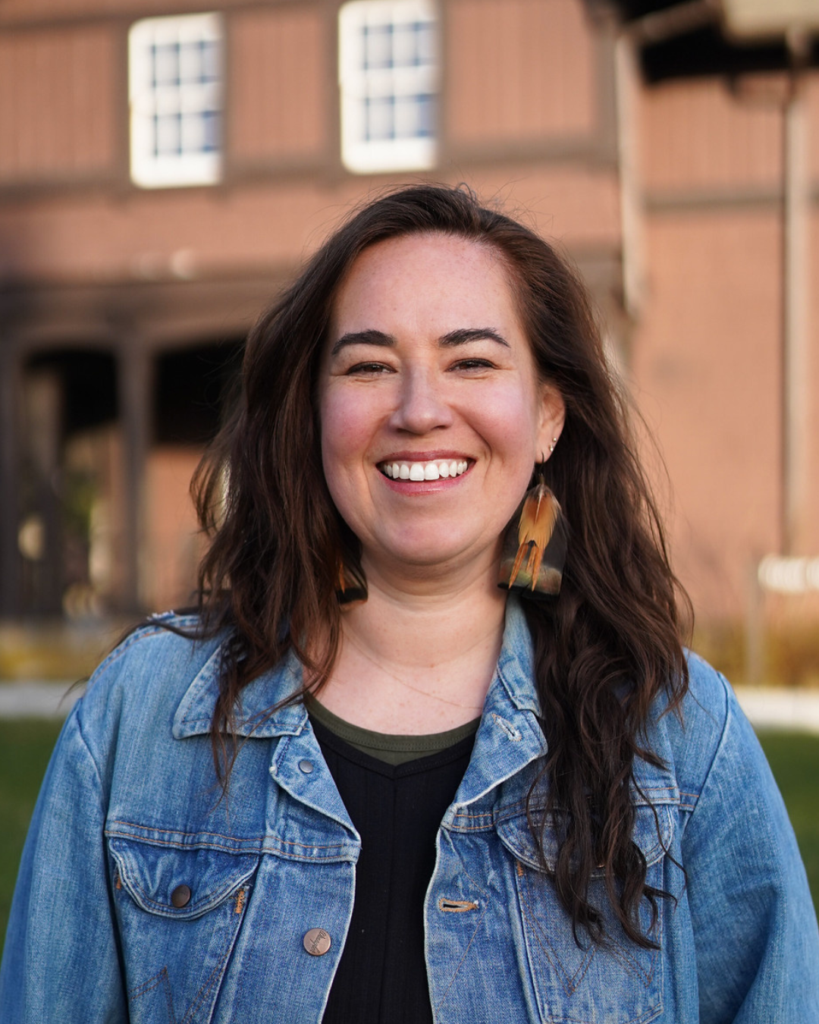
ALANA PETERSON
Gah Kith Tin, Alana is the Executive Director of Spruce Root and has been supporting the Seacoast Trust since its founding. She serves on the SSP Steering Committee and the Seacoast Trust Investment Committee.
Q: You’ve been deeply involved in the Seacoast Trust from the beginning—what motivates you to focus on building something so future-oriented when there are urgent needs to fund and address today?
What we’ve built through the SSP is impressive, but we need to ensure it can stand the test of time. Much of the SSP’s collective effort has been dedicated to creating long-term solutions for our communities. Boom and bust economies, by contrast, are short-sighted—creating temporary jobs and opportunities that eventually disappear, often leaving significant gaps in our communities. The SSP fosters a more innovative approach to economic development, one that outlasts any single industry by fundamentally shaping how we understand our role within a local economic ecosystem.
Building resilient communities looks like a lot of different things, restoration, investing in regenerative economies, and creating resilient food systems, to name a few. Over the past decade we have seen major fluctuations in the philanthropic and federal funding available to support this type of work in rural communities. This variability in funding has the potential to disrupt the stabilizing work that the SSP is doing in our region–essentially another version of a boom and bust cycle for our rural communities.
That’s exactly why we are building the Seacoast Trust. The Trust will provide funding in perpetuity to make sure that the Sustainable Southeast Partnership remains a steady presence in communities, and a consistent source of connection, sharing, and knowledge exchange across the region.
Q: What is the process for the Seacoast Trust distributing funds, and how can people get involved?
The funding process should always be grounded in a place of trust – and what we have established currently is designed to be responsive to the collective needs of the SSP network. So who shows up to participate in the network really matters. Sometimes showing up can be the hardest part, but there are many ways to engage including joining the monthly calls, the in-person spring retreat, and serving on the SSP Steering Committee. The Steering Committee has the most direct influence on how the Seacoast Trust funds are spent.
Every year the Steering Committee sets the whole SSP budget by deciding what the core priorities of the network are for that year. Much of that work is funded already, but there are always gaps. Right now the Seacoast Trust is partially funded, so the revenue it’s producing from interest can only cover a small portion of the entire SSP budget, but it’s still earning enough to fund some of those gaps in the SSP budget.
The Seacoast Trust Investment Committee works to steward the Trust by advising values aligned investments, and determining the annual distribution from the Trust. They’re aren’t involved with deciding what projects get funded.
Spruce Root provides administrative support to the SSP, and the Spruce Root Board of Directors provides fiduciary oversight to ensure strong fiscal policies and procedures.
KAYLAH DUNCAN
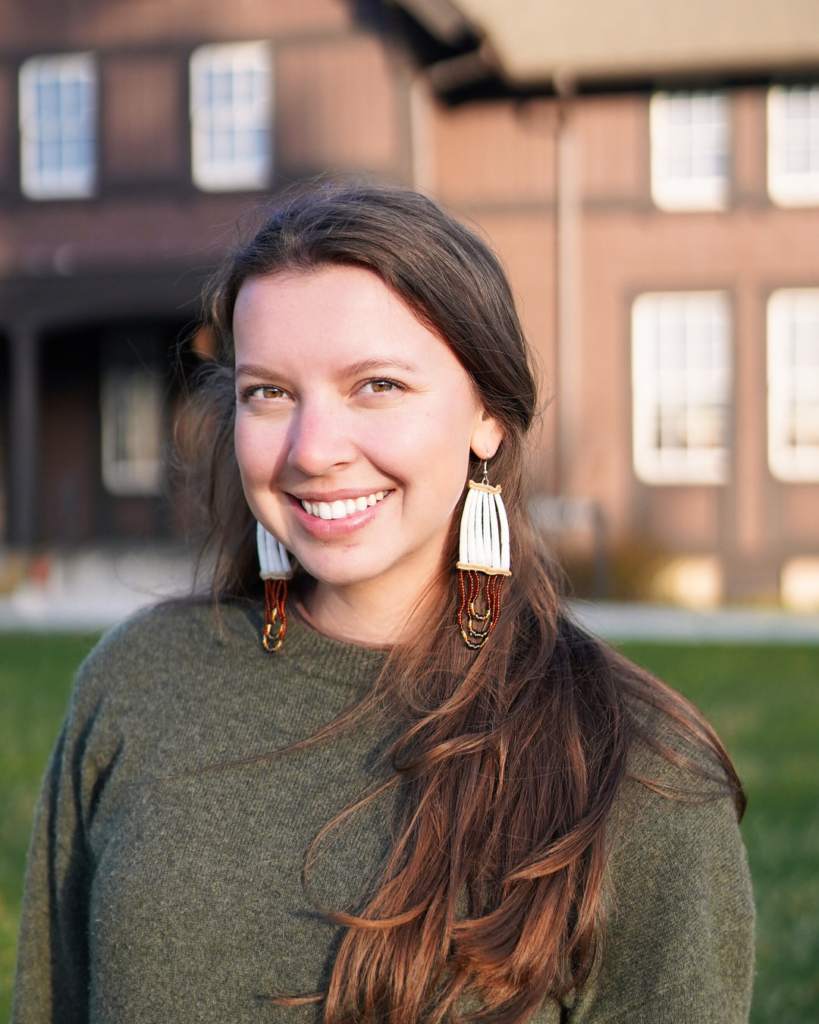
S’eiltín, Kaylah is Spruce Root’s Development Manager. She leads fundraising at Spruce Root, tending to the Seacoast Trust with a clear vision to support abundant future generations.
Your work is to get funders excited about investing in the Seacoast Trust – where do you draw inspiration from?
It has been personally very inspiring to step into this role and learn about the vision behind the Seacoast Trust.
I’m in my mid-twenties, and it’s exciting to see the people who are part of the SSP are making it possible for young people like me to steward the Tongass with intention and to be part of a collective that genuinely cares about the places they live in and the people that are there. That is everything to me.
The world and region will change a lot in my lifetime, but the Seacoast Trust is a vote of confidence that our people will know what is needed to meet these changes in a way that honors culture, community, and the environment. Adaptation is the bones of the Seacoast Trust, it’s not prescriptive of what future generations should be doing for themselves. It’s designed to adapt to the needs of the communities.
When do you think the Seacoast Trust will be fully funded?
When I’m standing in some of the last old growth forests in North America, I feel it in my whole being that we will reach our goal. My ancestors have stood in these forests for over 14,000 years, they have been tireless in protecting this land and that is what I’m going to do for those who stand here 14,000 years from now.
It will likely take a long time to fully fund the Seacoast Trust. It could be 30 or 40 years by the time we have reached our goal – pretty much the full span of my career. This is why my generation needs to step up to be the leaders for the Seacoast Trust. It’s up to us to stay committed to the vision when fundraising gets hard and the goal seems distant.
This is the work of our lifetime, and it might take most of our lifetime, but it’s worth it because we are honoring future generations with the gift of trust. Like our ancestors, they will continue to work generously to protect the land, our way of life, and our people. The Seacoast Trust will help them do this in a strategic and collaborative way, rooted in the vision of the people who love this place and call it home.

Photos by Bethany Goodrich, Lee House, and Shaelene Grace Moler