A couple of years ago, we created a planning tool called Future Scenarios for Southeast Alaska.
Check out the video below for a quick overview of what scenarios are and how they work.
It wouldn’t be wrong to say that Future Scenarios is simply a collection of stories, but those who have worked with Scenarios know that the process holds much deeper potential. Scenarios can spark transformative change, build new connections, catalyze institutional breakthroughs, and offer courage to face an uncertain future.
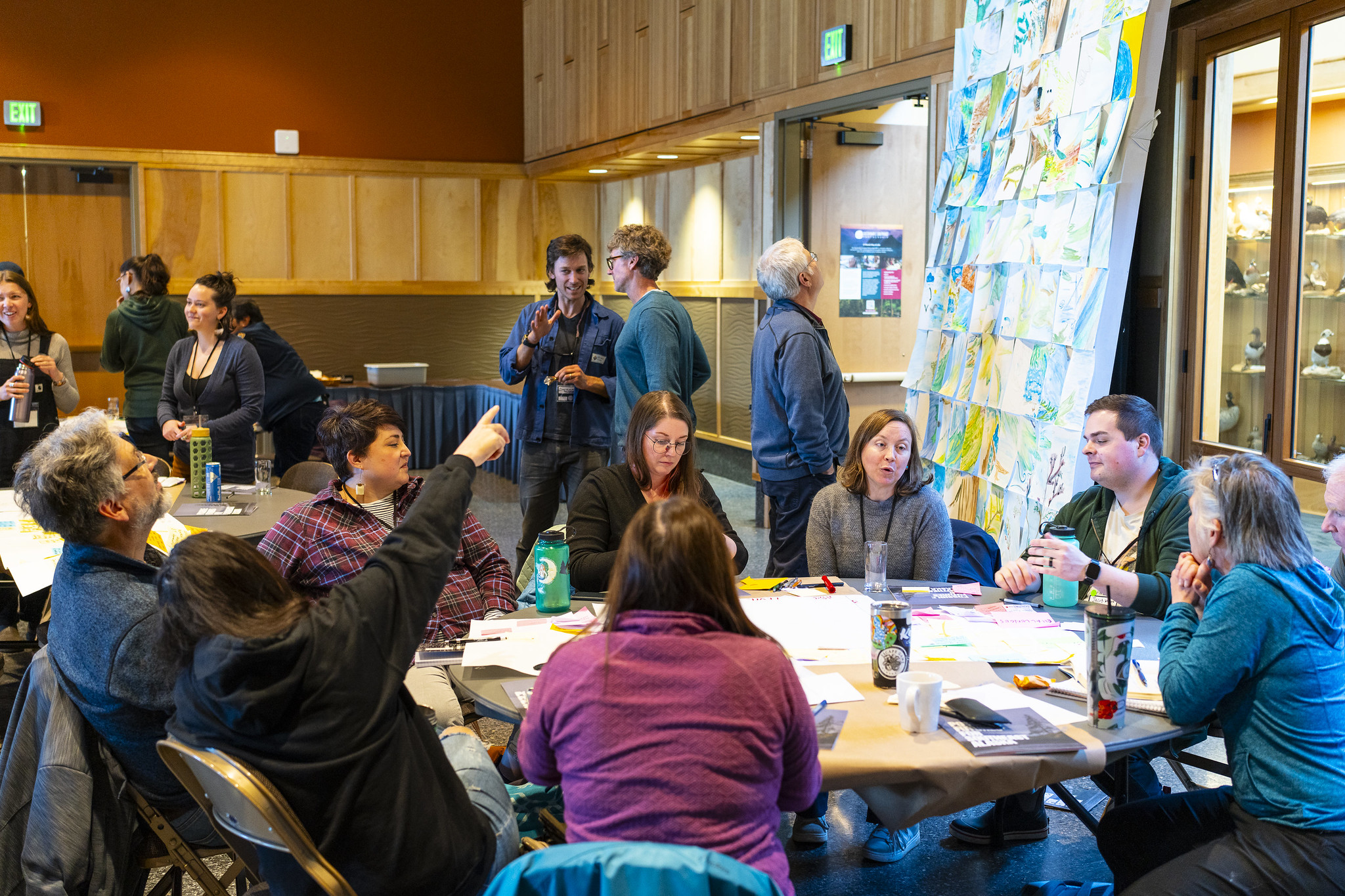
Over the past couple of years we’ve been seeing the potential of the Future Scenarios tool as it has been utilized in a variety of regional planning efforts including the USFS Tongass Forest Plan Revision, Sustainable Southeast Partnership, Juneau Economic Development Council, and City and Borough of Sitka Planning and Community Development Dept.
We believe that this tool has a lot to offer Southeast Alaska, and so we’ve worked to make sure that Future Scenarios is easy to use. We’ve created resources – including a facilitation how-to guide – and are now excited to share Future Scenarios for use in any individual or group’s planning efforts.
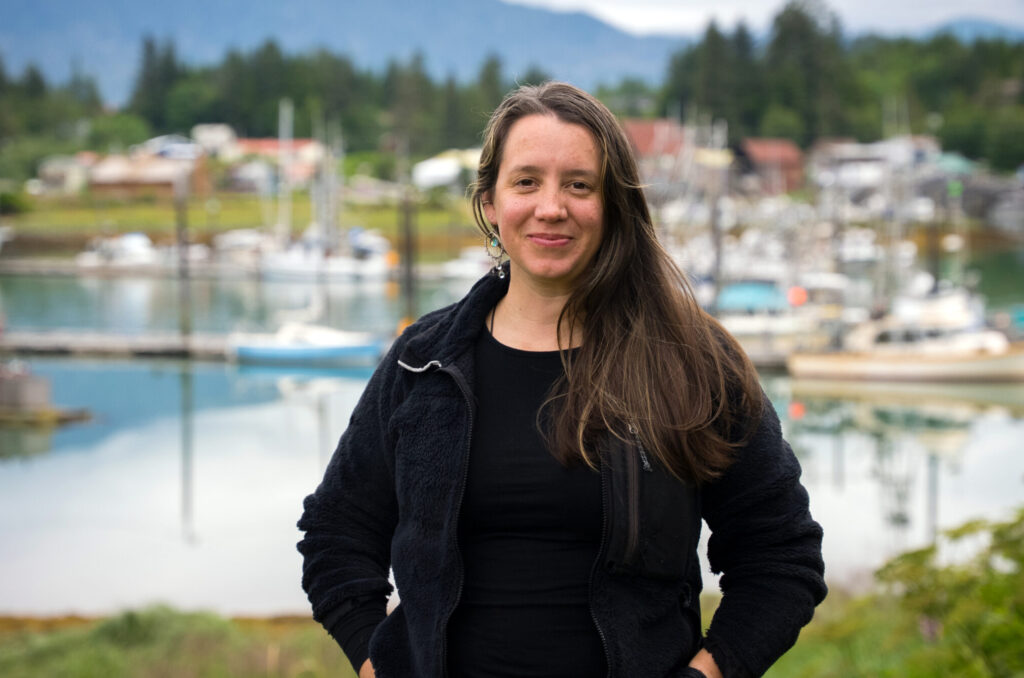
As we publicly launch Future Scenarios, we asked Val Massie, Spruce Root’s Community Planner, to share her insights on some of the most common questions she receives about scenarios.
We hope this gets you thinking about how you can bring the power of Future Scenarios to your community!
Future Scenarios FAQs
Where did the idea for Scenarios come from?
Spruce Root isn’t the first organization to explore the potential of scenario planning. For decades, large corporations and changemakers have used scenarios to imagine different possible futures, prepare for a range of outcomes, and navigate major societal shifts like the end of apartheid in South Africa.
Spruce Root’s Executive Director, Alana Peterson, first encountered this approach at a Sustainable Southeast Partnership retreat, where Kamanaʻo, a Hawaiian leader, shared the story of Hawaiʻi’s Soul—a scenario planning process that helped create breakthroughs in how people across Hawaiʻi worked together. That conversation sparked Spruce Root’s own journey with scenarios. Storytelling has guided Southeast Alaska since time immemorial, and we recognized the natural potential of scenarios as a tool for this region.
From there, we partnered with our friends at the Reos Institute and a diverse group of Southeast Alaskans—including Native and non-Native community members, business leaders, artists, recreation advocates, and representatives from philanthropy, education, housing, timber, fishing, conservation, social services, government, and tourism—to develop a set of future scenarios for Southeast Alaska.
How do hypothetical stories about the future lead to actual progress?
All too often, when communities try to discuss big issues, the conversation becomes circular. It can feel like we’ve been having the same discussions for decades. Over time, people grow tired, disengage, and begin to lose hope that meaningful progress is possible.
Scenarios help bring useful perspectives into those conversations. Because they present a set of imagined futures, they allow people to step outside of current politics and personalities when thinking about what might lie ahead.
The scenarios aren’t ideal visions for the future, but each of the scenarios explores a fictional reality that is both plausible and useful to consider. Some of what is presented in the scenarios might not seem desirable for Southeast Alaskan communities. That’s part of the point. Seeing where we could end up helps spark conversation to think about what actions or adaptations might be made to the current way of doing things. This way we can be better prepared, or maybe even prevent some of the outcomes in each scenario.
While they are designed to provoke thought and discussion, the scenarios are not inherently political. Instead, they function almost like a neutral third party—giving people something new to react to and explore together. By shifting the focus in this way, scenarios can inspire more solution-focused, adaptive conversations about the future of our region.
Who did Spruce Root create this tool for?
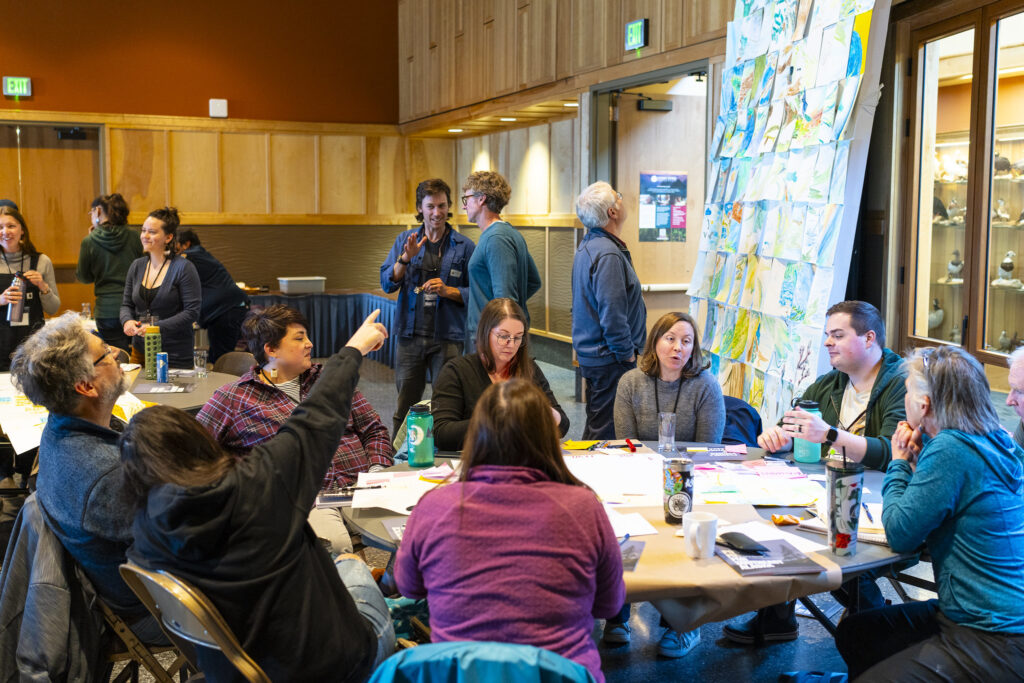
Scenarios can be useful in many different settings. Honestly, anyone who lives in Southeast Alaska might find it interesting to read through them. That said, here are a few examples of how different groups might use the tool:
Small Businesses: Scenarios can help businesses think through external forces and factors that will have long-term implications and develop strategies to remain adaptable as different futures for our region unfold.
Tribal Councils or City Assemblies: Sometimes councils and assemblies find themselves wrestling with the same issues again and again without making meaningful progress. Working with the Scenario tool can help shift the conversation away from politics and personalities and toward shared challenges and potential solutions.
Organizations: Organizations can use the tool during meetings or strategic planning sessions to spark conversation, explore possibilities, and help clarify long-term direction.
How do we get started with Scenarios?
Our Future Scenarios page has the resources you need to get started.
Our beautifully designed Possible Futures for Southeast Alaska publication outlines the four plausible and relevant futures developed by the Scenario Team. This is a fascinating document to explore on your own, or share with your colleagues, community, Tribe or organizational leadership.
We’ve also collaborated with the Reos Institute to create a How-to Guide for using the Scenarios to guide your next solution-focused discussion. The guide includes facilitation activities, and is a great starting point for organizing a Scenarios based session for your organization.
If you’re not sure where to start, but you feel Scenarios could be a useful tool for your planning, please don’t hesitate to reach out to me! I can offer a free consultation, and ideas for how to get started with Scenarios. Give me a call, or shoot me an email. I’ll be happy to share initial thoughts, and if you’re interested we can discuss ways Spruce Root might be able to provide more in-depth facilitation support and guidance.